Hydration, Caffeine, and Cravings: The Office-Day Triangle Nobody Talks About

This article is for women whose day runs on coffee, meetings, and random snack cravings. It focuses on one real problem: low water intake, too much caffeine, poor lunch, and stress often show up as cravings that feel like lack of willpower. The goal is not to scare you, shame you, or give you a perfect routine that collapses by Wednesday. The goal is to give you a practical way to manage fluids, coffee, hunger, and evening cravings without extreme restriction.
The five principles that matter most
- Start hydration early because catching up at night rarely works.
- Use caffeine strategically instead of continuously sipping through stress.
- Eat balanced meals so cravings are not simply hunger wearing a different outfit.
- Keep mineral and salt balance in mind during sweaty training or hot weather.
- Do not moralize cravings; investigate patterns.
What this looks like in a normal Indian week
- Water after waking, coffee after breakfast, balanced lunch, planned evening snack
- Lemon water with salt only when appropriate and not medically restricted
- Curd and fruit instead of random sweets
- Roasted chana with tea
- Early dinner after training
| Situation | Simple Option | Why it works |
|---|---|---|
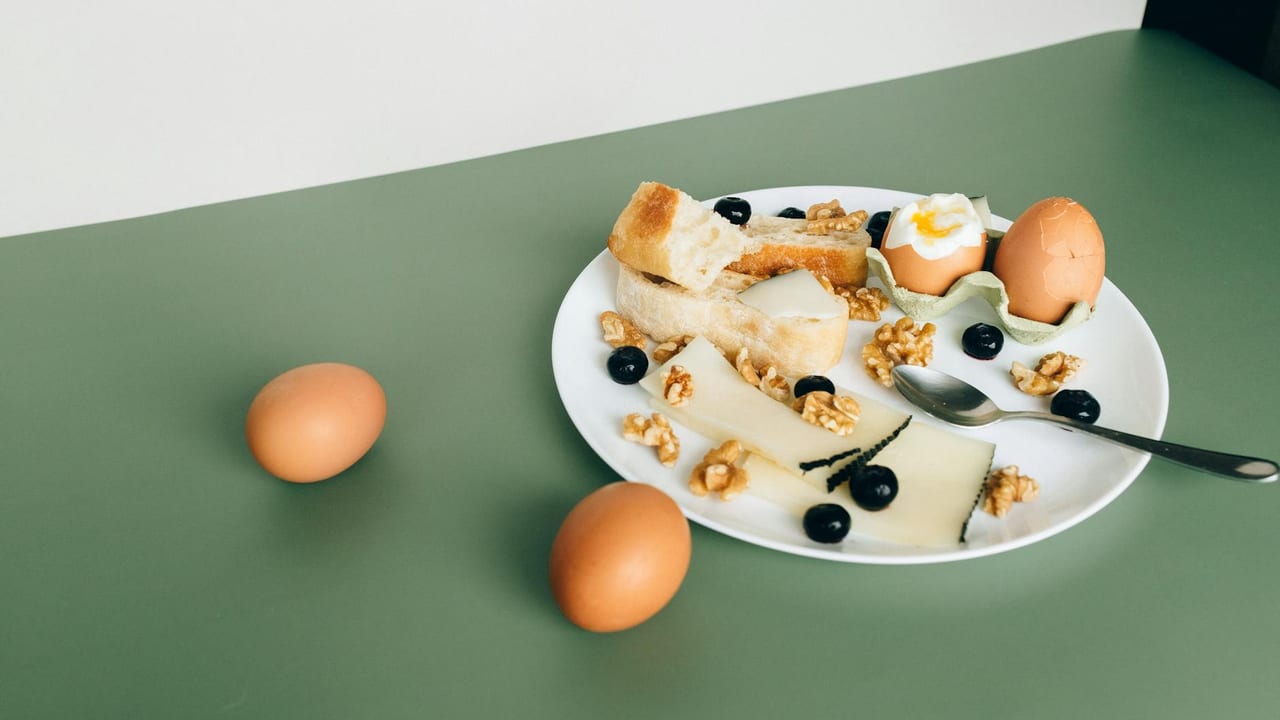
| Early office morning | Curd + fruit + nuts, or eggs with toast | Quick, familiar, and easier than skipping breakfast |
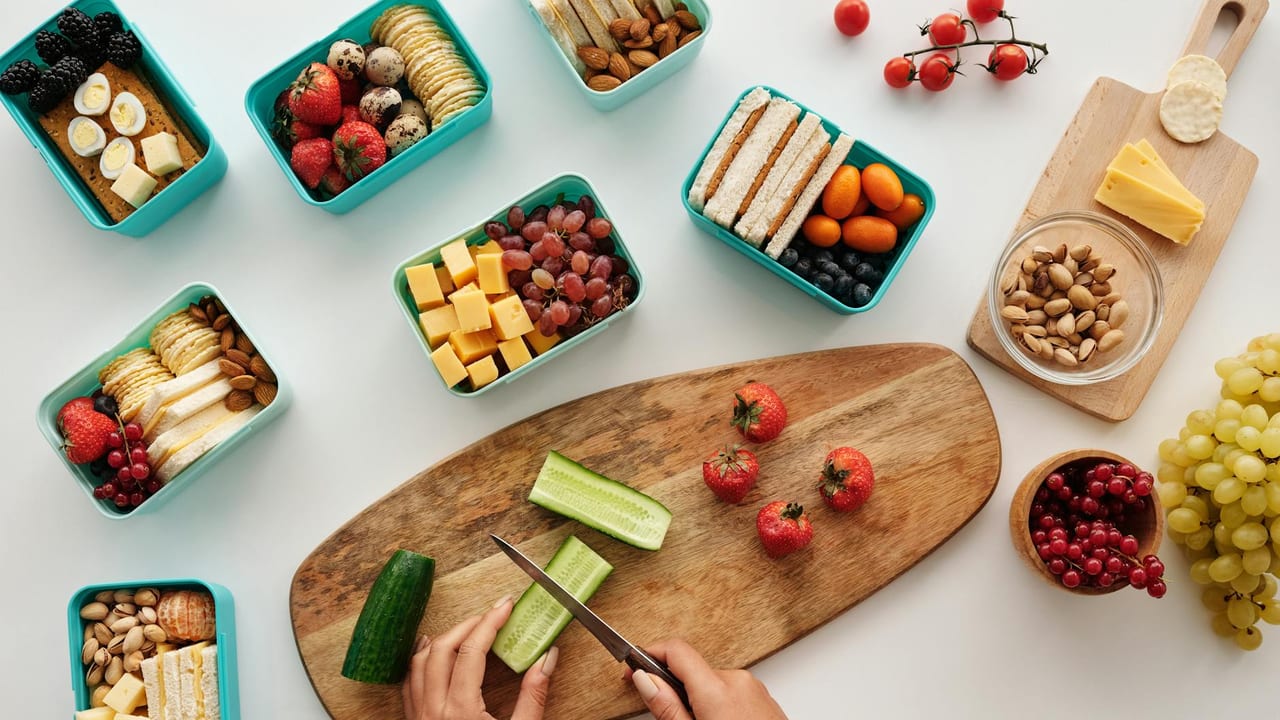
| Packed lunch | Protein base + roti/rice + vegetables + curd | Balanced and practical for Indian workdays |
| Evening craving | Roasted chana, fruit with curd, paneer/tofu snack, or egg | Better than arriving at dinner starving |
| Post-workout dinner | Dal/egg/paneer/chicken/fish + rice/roti + vegetables | Supports recovery without needing fancy food |
A very practical plate check
For most office-day meals, do not begin by asking, “Is this perfect?” Ask a kinder and more useful question: “Does this meal have something that helps me stay full, something that gives me energy, and something that gives me fibre and micronutrients?” That one question removes a lot of drama. A normal Indian plate can work beautifully when it is built with intention. Rice is not automatically bad. Roti is not automatically bad. Dal is not automatically enough protein if the quantity is tiny. Curd can be useful. Paneer can be useful. Eggs can be useful. Chana, rajma, sprouts, tofu, soy, fish, chicken, and lean meats can all fit depending on preference.
A simple office plate can look like this: one palm-sized protein source, one fist-sized familiar carbohydrate, two fists of vegetables or salad when possible, and a small amount of fat through cooking oil, nuts, seeds, curd, or chutney. This is not a medical prescription; it is a practical visual guide. If your goal is fat loss, portions may be adjusted. If your goal is strength gain, energy and protein may need to increase. If you have diabetes, kidney disease, gut issues, pregnancy, or any medical restriction, a registered dietitian or doctor should guide your nutrition.
Vegetarian, eggitarian, and non-vegetarian options
Vegetarian meals can support strength, but they need planning. Many vegetarian plates in Indian homes are mostly cereal and vegetables with a small amount of dal or curd. That can be healthy in many ways, but if you are strength training, you may need to consciously increase protein-rich foods. Think of thicker dal, chana, rajma, sprouts, soy chunks, tofu, paneer, Greek-style curd, milk, nuts, and seeds. Combining cereals and pulses through meals such as dal-rice, khichdi with curd, idli-sambar, roti-chana, or dosa with sambar is a very Indian and sensible strategy.
If you eat eggs, they are convenient and budget-friendly. Boiled eggs, egg bhurji, omelette rolls, and egg curry can all fit office routines. If you eat non-vegetarian food, fish, chicken, and lean meat can be excellent protein options when cooked with reasonable oil and balanced with vegetables and grains. The goal is not to copy someone else’s food identity. The goal is to make your own food pattern stronger.
Common mistakes to avoid
- Replacing breakfast with coffee every day.
- Assuming every craving is emotional when lunch was too small.
- Drinking too little water because office washroom breaks are inconvenient.
- Having caffeine late evening and then blaming poor sleep on stress alone.
- Using sugary drinks as daily hydration.
Work with Priyanka
Email Priyanka if cravings, low energy, or caffeine dependence are affecting your training consistency. Send your goal, age, preferred training time, current routine, and any relevant health or injury history to priyanka@pawarfitness.com.
References and useful reading
Want personal guidance?
Priyanka can turn this into a plan built around your schedule, level, and goals.