Beginner Barbell Confidence: How to Stop Feeling Awkward Around Weights

This article is for women who want to lift weights but feel watched, confused, or unsure where to begin. It focuses on one real problem: gym anxiety often blocks progress before the first real set even happens. The goal is not to scare you, shame you, or give you a perfect routine that collapses by Wednesday. The goal is to give you a calm path from basic movement to confident barbell training with form, safety, and self-belief.
The five principles that matter most
- Learn movement patterns before chasing weight.
- Use lighter tools first when they teach better control.
- Understand gym etiquette so the space feels less intimidating.
- Track small wins to build confidence.
- Ask for coaching before bad habits become automatic.
What this looks like in a normal Indian week
- Bodyweight squat to goblet squat to barbell box squat
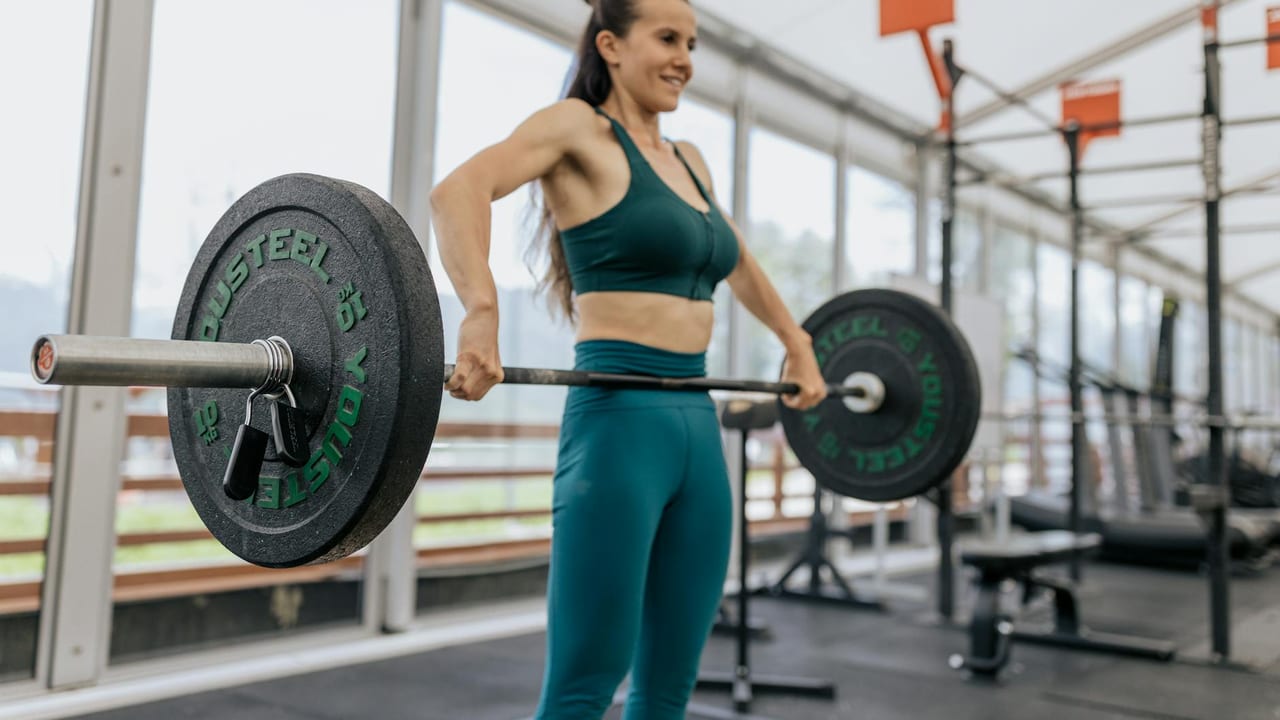
- Hip hinge drill to kettlebell deadlift to barbell deadlift
- Dumbbell press to barbell bench setup
| Day | Focus | Example Structure |
|---|---|---|
| Day 1 | Full-body strength | Squat pattern, push, row, core, carry |
| Day 2 | Hinge and posture | Hip hinge, pull, single-leg work, shoulder stability |
| Day 3 | Strength + conditioning | Main lift practice, accessories, short conditioning finisher |
| Non-gym days | Recovery | Walks, mobility snacks, hydration, sleep, easy movement |
How Priyanka would scale this for a beginner
A beginner does not need a complicated workout. She needs a clear starting point, a coach who watches form, and enough repetition to learn. Priyanka would usually begin by checking how you squat, hinge, push, pull, brace, and breathe. This tells her more than a random calorie-burning workout ever could. From there, she can choose variations that match your current ability. A squat may begin as a box squat. A deadlift may begin as a kettlebell hinge. A push-up may begin on an incline. A row may begin with a cable or resistance band.
The first few weeks are not about proving toughness. They are about building trust with your body. You learn what a good rep feels like. You understand where your feet go. You learn how to keep the spine stable, how to control the knees, how to use the hips, and how to stop a set before technique collapses. That may sound basic, but basics are what keep people training for years.
What progress can look like
Progress is not only adding weight. Sometimes progress is better range of motion, smoother breathing, less fear, better control, fewer aches, more stable energy, or simply showing up three weeks in a row. For busy women, these wins matter. A working mother who trains twice a week consistently for six months may make more real progress than someone who trains intensely for two weeks and disappears.
A smart program uses progressive overload, but it does not worship numbers. You can progress by adding one or two repetitions, increasing load slightly, improving tempo, adding a set, reducing rest a little, or improving technique at the same weight. This is where coaching matters. A good coach knows when to push and when to hold back.
Safety, soreness, and recovery in real life
Strength training should challenge you, but it should not leave you scared of movement. Mild muscle soreness can happen when you learn a new movement or increase volume, but sharp pain, joint pain, dizziness, numbness, or pain that changes your normal walking or daily life should be taken seriously. This is why Priyanka keeps the first sessions technique-focused. She would rather help you build a durable base than give you one dramatic workout that looks impressive but breaks your consistency.
Recovery is also not only about lying down. Recovery includes sleep, enough food, hydration, stress management, warm-ups, cool-downs, and sensible weekly planning. A client who has slept four hours and skipped lunch may not need a personal record attempt that day. She may need a slightly lighter session, better technique practice, and a plan to return stronger next time. This is not weakness; it is professional programming.
For busy professionals, the best training plan is the one that you can repeat for months. It should have enough challenge to create change and enough flexibility to survive real weeks. That balance is where good coaching becomes valuable.
Common mistakes to avoid
- Comparing your first month with someone else’s fifth year.
- Adding weight to hide uncertainty.
- Avoiding the free-weight area forever.
- Copying random reels without context.
- Thinking confidence must come before action.
Work with Priyanka
Email Priyanka if you want a beginner-friendly session where every lift is explained step by step. Send your goal, age, preferred training time, current routine, and any relevant health or injury history to priyanka@pawarfitness.com.
References and useful reading
Want personal guidance?
Priyanka can turn this into a plan built around your schedule, level, and goals.